Observed development.
On February 7, 2024, CISA, NSA, FBI, and international partners issued a joint cybersecurity advisory documenting compromises of United States critical infrastructure attributed to the Chinese state-sponsored group Volt Typhoon.
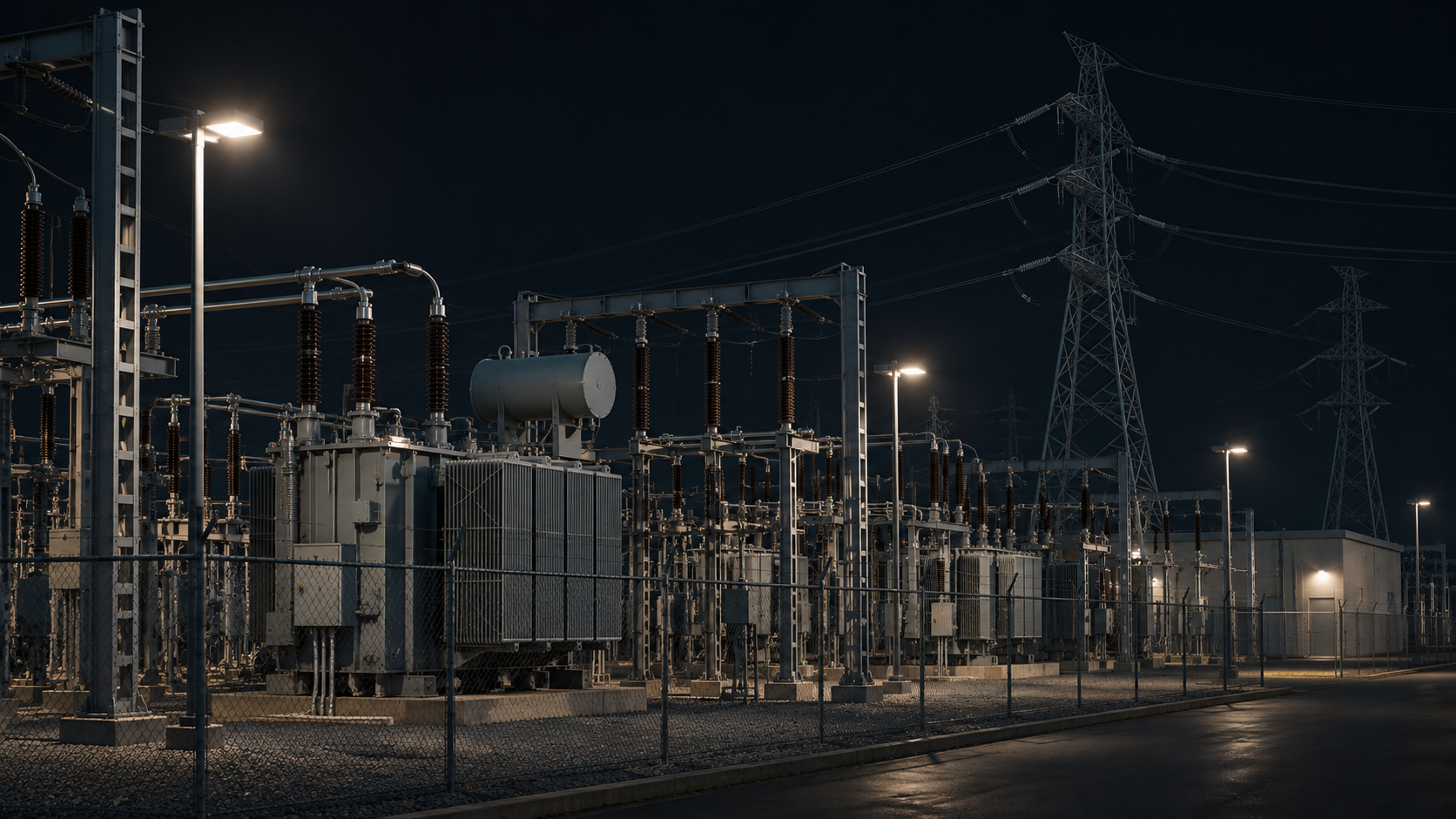
Affected sectors included communications, energy, transportation, and water and wastewater systems. The issuing agencies reported indications that unauthorized access had been maintained within certain victim environments for five years or longer.
The agencies assessed that the activity was intended to establish access that could support disruptive or destructive operations during a future major crisis involving the United States.
In August 2025, a separate multinational advisory identified Chinese state-sponsored intelligence activity targeting telecommunications, government, transportation, and military infrastructure internationally, with some overlap with industry reporting on Salt Typhoon.
These campaigns demonstrate different potential objectives within the broader Chinese intelligence environment: persistent strategic access and intelligence collection.
Analytical assessment.
Archer Knox assesses that the strategic significance of unauthorized infrastructure access cannot be determined exclusively by its immediate operational effects.
Persistent access creates optionality. An adversary may establish and preserve a capability without committing to its eventual employment. The value of that capability can change materially as geopolitical conditions evolve.
In the context of United States–China competition, infrastructure exposure established during relatively stable conditions may acquire considerably greater significance during an Indo-Pacific crisis.
This introduces a temporal dimension to security assessment. An intrusion and its potential strategic effect may be separated by years.
The relevant intelligence question is therefore not limited to what an adversary has done. It must also examine what the documented activity may enable, under which conditions, and with what potential consequences.
Strategic implications.
Government, defense, commercial, and critical infrastructure organizations should evaluate unauthorized access against both immediate operational effects and reasonably supported future contingencies.
An intrusion that produces no measurable disruption may nevertheless carry substantial strategic significance.
Organizations should also examine dependencies beyond their directly controlled infrastructure. Exposure within telecommunications, transportation, energy, or third-party service providers may create vulnerabilities that are not visible through conventional organizational security assessments.
Incident closure should not necessarily constitute the closure of the associated intelligence requirement.
Warning indicators.
• New official reporting of persistent Chinese state-sponsored access within critical infrastructure.
• Evidence of renewed access following documented remediation.
• Material changes in geopolitical or military conditions concerning Taiwan and the wider Indo-Pacific.
• Independently corroborated relationships between infrastructure compromises and broader state-sponsored intelligence activity.
• Changes in adversary targeting from information collection toward capabilities associated with operational disruption.
• Evidence of shared infrastructure dependencies affecting multiple nationally significant sectors.
Limitations & alternative explanations.
This assessment relies upon publicly available government and commercial intelligence reporting. Archer Knox has not independently examined the underlying compromised environments.
The existence of persistent access does not establish that an adversary has authorized destructive action. Volt Typhoon and Salt Typhoon should not be assumed to operate under a common operational command solely because both have been attributed to Chinese state-sponsored activity.
The current extent of residual access following disclosed remediation efforts cannot be established from the cited public information.
Confidence is high in the documented pattern of historical infrastructure targeting and its strategic relevance. Confidence is lower regarding the present operational status of individual compromises and the circumstances under which such access might be employed.
Source references supporting this published assessment.